How to Choose the Best Mobile App Database for Performance and Scalability
Introduction
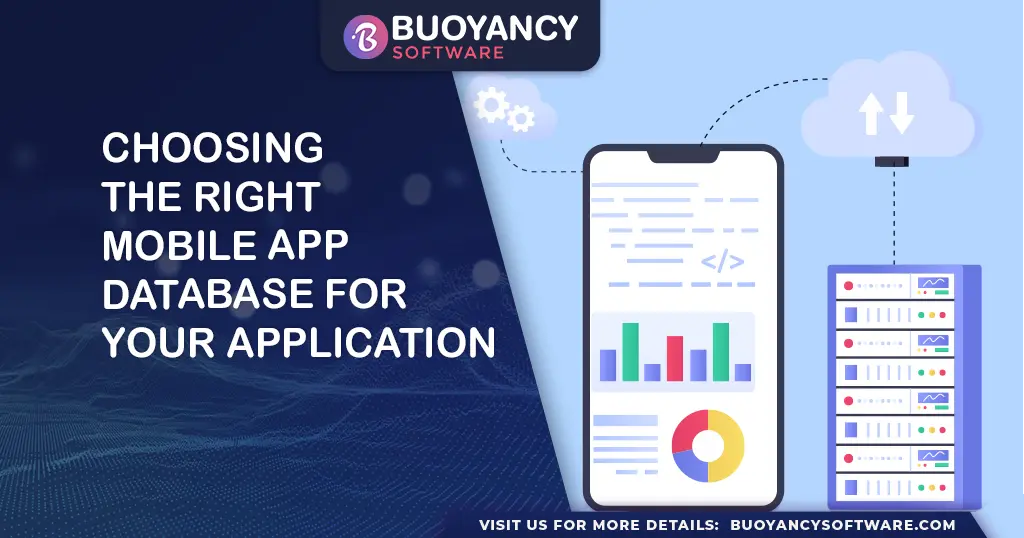
Choosing the right database for your mobile app is a big deal. It affects how fast your app runs, how well it scales, and how smooth the user experience feels. Whether you're building for Android or iOS, the database you pick plays a crucial role in your app's speed, reliability, and long-term growth. In this guide, we'll break down what to look for in a mobile app database, compare popular options like SQLite, Firebase Realtime Database, MongoDB Realm, and Couchbase Lite, and help you make the best choice for your project.
Why the Right Mobile App Database Matters
Your mobile app's database is its backbone, handling how data is stored, managed, and accessed. The database you choose impacts:
- Performance – How fast data is read, written, and retrieved.
- Scalability – Whether it can handle growth as your user base expands.
- User experience – A fast, reliable app keeps users happy and engaged.
Popular Mobile App Databases and Their Features
Here's a quick look at some of the most commonly used relational (SQL-based) and NoSQL databases for mobile apps:
Relational Databases (SQL-Based)
- SQLite – Lightweight, serverless, and great for mobile apps needing local data storage.
- MySQL – Open-source and widely used for structured data.
- PostgreSQL – Powerful and efficient for handling complex queries.
- Microsoft SQL Server Mobile – Secure and offers synchronization features.
- Core Data – Apple's built-in framework for data persistence on iOS and macOS.
NoSQL Databases (Non-Relational)
- Firebase Realtime Database – Google's NoSQL database with real-time data sync and offline support.
- MongoDB Realm – Mobile-friendly backend that syncs data between the cloud and device.
- Couchbase Lite – An offline-first NoSQL database that syncs with Couchbase Server.
- CouchDB – Uses JSON for data storage and easily syncs across devices.
- PouchDB – A JavaScript-based NoSQL solution designed for offline-first apps.
How to Choose the Right Mobile App Database
Here are the key factors to consider when selecting the best database for your app:
1. Data Structure and Type
- If your app deals with structured, relational data, go for SQLite or MySQL.
- If you need flexibility with document-based storage, MongoDB Realm or Firebase Realtime Database are great choices.
2. Scalability
- If your app is expected to grow rapidly, MongoDB Realm and Couchbase Lite are solid options.
- For cloud scalability, Firebase Realtime Database is an excellent pick.
3. Performance
- SQLite is ideal for fast, local data access.
- Firebase Realtime Database provides real-time syncing, making interactions seamless.
- PostgreSQL efficiently handles large-scale applications.
4. Offline Access and Syncing
- Couchbase Lite and MongoDB Realm let apps work offline and sync when back online.
- Firebase Realtime Database ensures smooth offline support.
5. Security and Data Protection
- Microsoft SQL Server Mobile offers strong encryption.
- Firebase Realtime Database allows controlled data access through security rules.
- PostgreSQL and MySQL support advanced authentication methods.
6. Platform Compatibility
- Core Data is perfect for iOS and macOS apps.
- Firebase Realtime Database and MongoDB Realm work across Android, iOS, and web platforms.
7. Ease of Development and Integration
- Firebase Realtime Database is developer-friendly with built-in SDKs.
- SQLite supports Object-Relational Mapping (ORM) for easier integration.
- PostgreSQL and MySQL have vast community support.
8. Cost and Budget
- Firebase Realtime Database has a free tier but can get expensive as usage grows.
- SQLite and MySQL are free and open-source.
- Couchbase Lite offers enterprise-level features with premium pricing.
9. Community and Support
- MySQL, PostgreSQL, and SQLite have strong community support.
- Firebase Realtime Database is backed by Google with extensive documentation.
- MongoDB Realm and Couchbase Lite provide premium support options.
Conclusion
Picking the right database for your mobile app is essential to ensure smooth performance, scalability, and a great user experience. Whether you choose a relational database like SQLite or a NoSQL solution like Firebase Realtime Database, make sure it aligns with your app's needs and future growth. At Buoyancy Software, we specialize in building scalable, high-performance mobile applications with the right database strategy. Need expert advice on optimizing your app's database? Reach out to us today! Let's build something amazing together!
Key Takeaways
Microsoft Solution Partner
ISO Certified Processes
Secure Cloud Development
Experienced Team
Global Client Experience
Frequently Asked
Questions
Get answers to the most common questions
about our products, services, and policies.
What is the best database for mobile apps requiring offline functionality?
For offline functionality, Couchbase Lite and MongoDB Realm are excellent choices as they support local data storage and seamless syncing with cloud servers when connectivity is restored.
How does Firebase Realtime Database compare to SQLite for mobile apps?
Firebase Realtime Database offers real-time syncing and cloud scalability, ideal for collaborative apps, while SQLite is lightweight and serverless, perfect for local storage in simpler, offline-first applications.
Why is scalability important when choosing a mobile app database?
Scalability ensures the database can handle increasing data loads and user growth without performance degradation, preventing bottlenecks as your app expands.
What factors should influence the choice between SQL and NoSQL databases for mobile apps?
Choose SQL databases like SQLite for structured, relational data with complex queries; opt for NoSQL like Firebase for flexible, document-based storage and rapid prototyping.
Strategic Custom Web Engineering: A Professional Roadmap for 2024
The 2023 Web Evolution: A Comprehensive Guide to Modern App Architecture